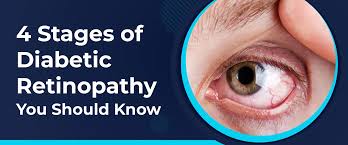
If you are diabetic, most likely you are already taking the precautions to control your blood sugar level. But one thing many people overlook is how diabetes can quietly affect your eyes. One of the most common – and sneaky – complications is diabetic retinopathy.
Now, don’t let the big medical word scare you off. In simple terms, it means diabetes is damaging the tiny blood vessels present in the retina (that light-sensitive part at the back of your eye). Even mild carelessness can lead to vision problems and, in severe cases, even blindness. The good news is, if you catch it early, there’s a lot you can do to protect your eyesight.
Early Symptoms You Should Watch Out For
1. Blurry or fluctuating vision
If your vision keeps going in and out of focus, don’t just blame tiredness or your glasses. High blood sugar can make the lens inside your eye swell, leading to blurry sight.
2. Dark spots or floaters
Bleeding in the retina can create visible symptoms like small spots, cobwebs, or floaty shapes. A few floaters once in a while might be harmless, but if they suddenly increase, it’s time to consult an eye specialist in Agra or your local eye doctor.
3. Difficulty seeing at night
Struggling more than usual to drive or read in dim light? That could be your retina signaling trouble. Night vision loss is often an early red flag.
4. Faded colors
If colors start looking washed out or dull, it may mean the retina isn’t working as well as it should.
5. Sudden vision loss
This one’s a biggie. If your vision suddenly blacks out or gets very cloudy, seek help immediately. That’s not a wait-and-see situation—it’s an emergency. Visit a trusted eye hospital in Agra or your nearest specialist right away.
What Can You Do?
The best step is prevention: keep your blood sugar, blood pressure, and cholesterol under control. And no matter how good your eyes feel, get a dilated eye exam once a year. Retinopathy often starts without noticeable symptoms, so those regular check-ups are your safety net. If you’re already facing eye-related issues, it’s wise to reach out to the best squint surgeon in India or an experienced eye doctor in Agra for timely treatment.
Bottom Line
Diabetic retinopathy doesn’t show up overnight. You’ll often get small warning signs before things get serious. Pay attention to any changes in your vision and don’t brush them off. Protecting your eyes is just as important as protecting your heart or kidneys when you’re managing diabetes.
- Computer Vision Syndrome: How to Protect Your Eyes from Excessive Screen Time.
We cannot deny the fact that most of us are wired with our phones or laptops for most of the time. From office work to late-night Netflix binges or endless scrolling on social media, we barely gives a break to our eyes. We ended up being tired, dry, and sometimes painful eyes—a modern problem known as Computer Vision Syndrome (CVS).
According to the research, CVS isn’t a permanent condition, but ignoring it can make life really uncomfortable. And here’s the kicker—it’s not just about sore eyes. Excessive screen time can even trigger issues like binocular vision dysfunction, where your eyes struggle to work together properly, leading to headaches and double vision.
So, how do we protect our eyes in this digital age? Let’s keep it simple.
- Follow the 20-20-20 Rule
Every 20 minutes, look at something 20 feet away for 20 seconds. It acts like a power nap for your eyes and helps reduce strain.
- Blink More Often
When we stare at screens, our blinking rate drops. If you blink less you will feel dryness and irritation in your eyes. Consciously remind yourself to blink or keep lubricating drops handy.
- Fix Your Screen Setup
Always maintain one arm distance from screen, slightly below eye level, and adjust brightness you will feel so easy on the eyes. If glare from windows or lights bothers you, try an anti-glare filter.
- Posture Matters
Hunching over your desk strains not only your eyes but also your neck and back. Sit up straight, with your feet flat on the floor—your body will thank you too.
- Check with an Eye Specialist
If you’re in Agra or staying in the near by places and constantly dealing with eye strain, headaches, or blurred vision, don’t brush it off. Visit a trusted eye doctor in Agra or consult professionals at Agarwal Eye Care Hospital Agra. Sometimes, prolonged CVS can mask other issues that need expert attention.
Advanced Care Options
For people struggling with persistent problems or conditions like squint or misalignment, getting guidance from the best squint surgeon in India can make a big difference. If you’re looking for a place with comprehensive eye services, an eye super speciality hospital can provide advanced treatment from routine check-ups to complex eye disorders.
To conclude, firstly we should accept that screen time isn’t going away anytime soon—but CVS doesn’t have to be your new normal. A few simple lifestyle hacks, regular eye exams, and timely visits to specialists can keep your eyes healthy and maintain your eyesight. Our eyes one of the busiestorgan in our body and it is our responsibility to give them some care in return!